Wild Chive Blossom Vinegar

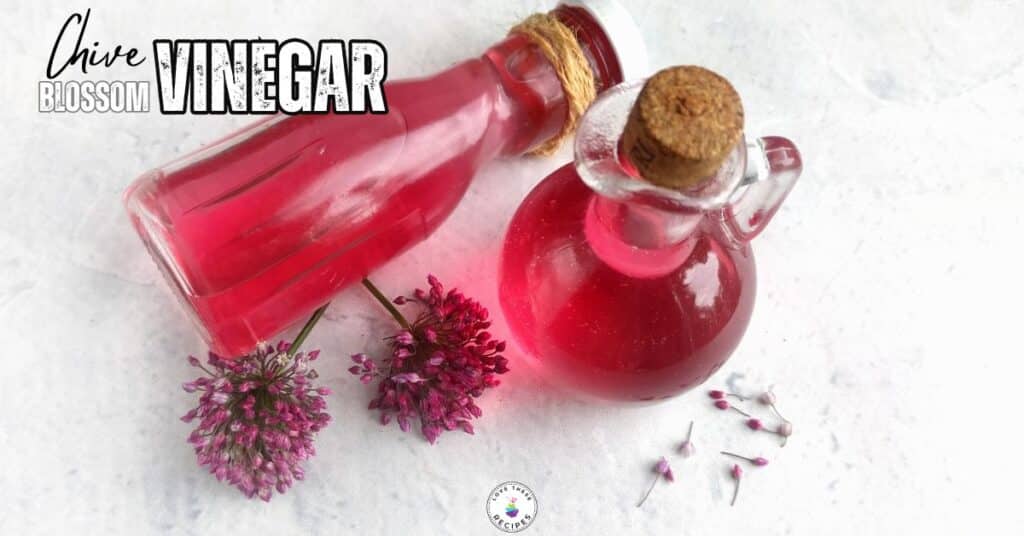
Have you ever foraged for wild chives on a late-spring or early summer day, and then made wild chive blossom vinegar?
Wild chives (Allium schoenoprasum) are a true culinary gem. With their delicate purple flowers and mild onion flavor, wild chives are both beautiful and versatile in the kitchen. Whether you’re foraging in the wild or harvesting from your garden, there’s no shortage of ways to use them. One of the simplest—and prettiest—recipes you can make, as I mentioned earlier, is chive blossom vinegar.
Why Wild Chives Deserve a Spot in Your Kitchen
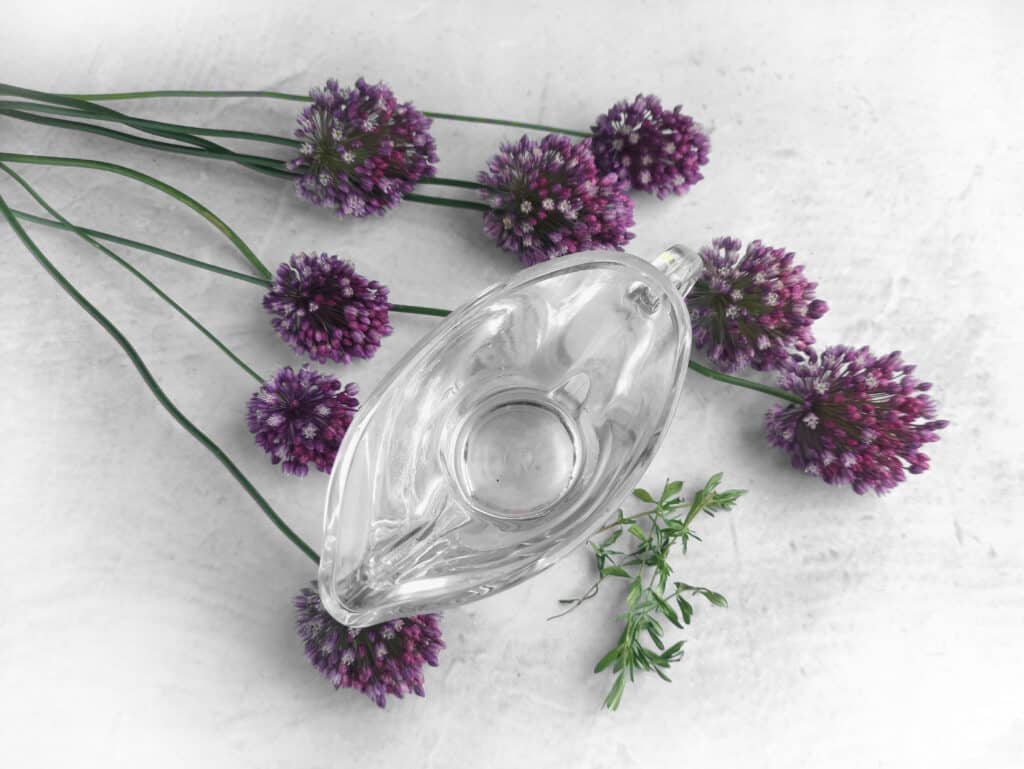
Wild chives are easy to spot with their tubular green stems and starburst-like purple blossoms. Their flavor is gently oniony, slightly stronger than common chives, and they can be used in a variety of ways:
- As a seasoning: Finely chop and sprinkle over salads, scrambled eggs, baked potatoes, or soups.
- For garnish: Their vibrant color makes them a beautiful finishing touch on dips, omelets, roasted meats, or cream-based soups.
- In spreads: Mix them into sour cream or cream cheese for a savory herb dip or spread.
- To make herb butter: Combine chopped wild chives with softened butter for a flavorful spread for bread, steaks, or grilled veggies.
- Infused oils and vinegars: Steep the flowers and stems in vinegar or oil for a quick flavor boost in your pantry.
- As part of an herb blend: Combine them with parsley, dill, or tarragon to make a custom seasoning mix.
And now, for something a little extra special…
Easy Chive Blossom Vinegar Recipe
Chive blossom vinegar is as gorgeous as it is delicious, adding a subtle onion flavor and a soft pink hue to whatever it touches. Even if you’re a kitchen novice, this recipe is incredibly easy to make!
Ingredients for Chive Blossom Vinegar:
- 1 small bouquet of chive blossoms
- 3 to 4 sprigs of fresh thyme
- 2 cups white vinegar (distilled or white wine vinegar works well)
Instructions:
- Prep the herbs: Gently rinse the chive blossoms and thyme under cool running water. Separate the blossoms from the stems.
- Jar it: Place the thyme and sliced chive stems in a clean glass jar. Layer the chive blossoms on top.
- Add vinegar: Pour the vinegar over the herbs until the jar is full. Seal the jar with a lid.
- Steep: Store the jar in a cool, dark place (like your kitchen cupboard) for 2 weeks to let the flavors infuse.
- Strain and store: After 2 weeks, strain the vinegar through a fine mesh sieve into a clean bottle. Discard the solids and store the vinegar in a dry place.
Ways to Use Chive Blossom Vinegar
This pretty pink vinegar isn’t just for show—it’s a surprisingly versatile ingredient:
- Salad dressings: Combine with olive oil, Dijon mustard, honey, salt, and pepper for a vibrant vinaigrette.
- Marinades: Use it as a base for marinades, especially for poultry or seafood.
- Sauces and condiments: Stir a splash into aioli, mayo, or homemade tartar sauce. Chive blossom vinegar could go great with a summer chicken salad.
- Pickling: Try it in pickling brines for cucumbers, radishes, or onions.
- Dips and spreads: Add a spoonful to sour cream or hummus for a unique flavor boost.
- Finishing touch: Drizzle over roasted vegetables, grilled meats, or creamy soups.
🧄 Pro tip: Because of its delicate flavor and color, it’s best to add chive blossom vinegar at the end of cooking or use it raw.
Whether you’re an experienced forager or just starting to explore edible plants, wild chives are a fantastic herb to know. With just a handful of blossoms and a bit of patience, you’ll have a homemade vinegar that’s as pretty as it is tasty.
Happy foraging—and happy cooking!